


 Language: English











Solutions
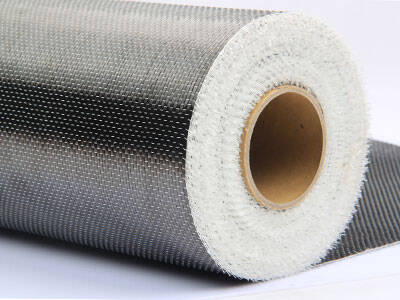
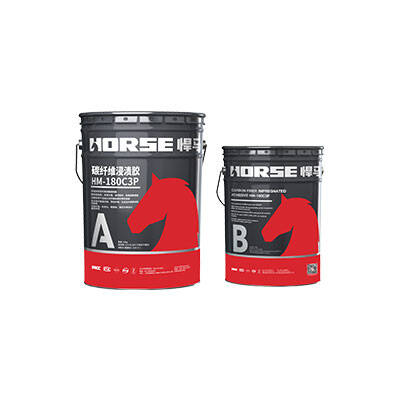
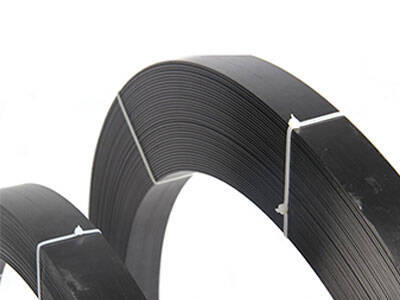
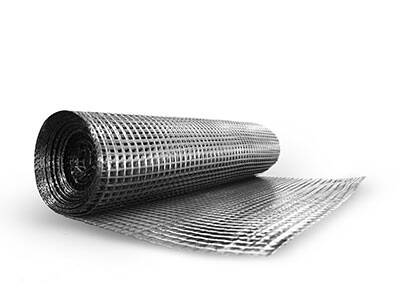
Horse Construction offers full range of structural strengthening materials with technical supports, documentation supports, products supports, project supports.
Anchor epoxy

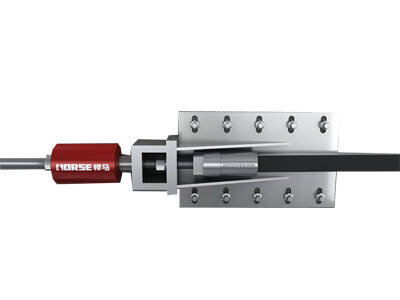
Epoxy anchors are high-strength, bond-dependent fastening systems that excel in structural applications, with performance that outpaces most mechanical anchors in critical scenarios like cracked concrete or close-edge installations.
1. Core Strength of Epoxy Anchors
Epoxy anchors rely on adhesive bonding between the epoxy resin, anchor rod/rebar, and concrete substrate—no expansion force is applied to the concrete, which avoids micro-cracking. Their strength is defined by two key metrics:
Bond Strength: 8–30 MPa (1,160–4,350 psi) to concrete; high-grade structural epoxies can reach 35+ MPa (5,000+ psi).
Ultimate Tensile Capacity: Ranges from 20 kN (4,500 lbf) for M10 small-diameter anchors (embedment ≥ 100 mm) to 250+ kN (56,000+ lbf) for M24 large anchors (embedment ≥ 180 mm) in C30/C35 concrete.
Shear Capacity: Typically 60–80% of tensile capacity, ideal for lateral load applications (e.g., bracket supports, beam connections).

Key Strength Drivers:
Minimum embedment depth = 10× anchor diameter (critical for maximizing bond).
Concrete strength: Each 10 MPa increase in concrete compressive strength boosts anchor capacity by 15–20%.
Hole cleanliness: Dust/debris can reduce bond strength by 50% or more—vacuum + brush cleaning is mandatory.

2. Direct Comparison with Other Anchor Types
The table below contrasts epoxy anchors with mechanical anchors (expansion, undercut) and vinylester adhesive anchors:

| Anchor Type | Strength Performance | Best For | Limitations |
|---|---|---|---|
| Epoxy Adhesive Anchor | - Highest tensile/shear capacity in cracked/uncracked concrete - No edge/spacing constraints (can be installed 2× diameter from edges) - Long-term durability (resistant to corrosion, temperature cycles) | Structural connections (beam-column joints, rebar doweling), heavy loads, cracked concrete, close-edge installations | - Slow cure time (24–72 hrs at 20°C; longer in cold weather) - Requires strict hole preparation |
| Vinylester Adhesive Anchor | - Tensile capacity ~70–80% of epoxy anchors- Faster cure (4–12 hrs at 20°C) - Good moisture resistance | Non-structural medium loads, fast-track projects | - Lower heat resistance (max 60°C vs. epoxy’s 80°C) - Weaker bond in high-strength concrete |
| Mechanical Expansion Anchor | - Tensile capacity ~40–60% of epoxy anchors - Instant load-bearing (no cure time) | Light to medium non-structural loads (shelving, pipe supports) | - Poor performance in cracked concrete (loses 30–50% strength)- Requires large edge/spacing (≥ 5× diameter from edges) - Creates expansion stress that can crack concrete |
| Mechanical Undercut Anchor | - Tensile capacity ~60–70% of epoxy anchors - Better than expansion anchors in cracked concrete | Medium structural loads, fast installations | - Higher cost than expansion anchors- Requires specialized drilling tools for undercut holes - Edge/spacing constraints (≥ 3× diameter from edges) |
3. Critical Application Notes
Structural vs. Non-Structural: Epoxy anchors are the only choice for structural load-bearing applications (e.g., seismic retrofitting, bridge repairs). Mechanical anchors are limited to non-structural uses.
Temperature Resistance: Epoxy anchors perform reliably from -40°C to 80°C; mechanical anchors can fail at extreme temperatures due to metal fatigue.
Corrosion Resistance: Epoxy encapsulates the anchor rod, preventing rust—mechanical anchors are prone to corrosion in damp environments unless galvanized.

You can find anything here you are in need of, have a trust trying on these products, you will find the big difference after that.

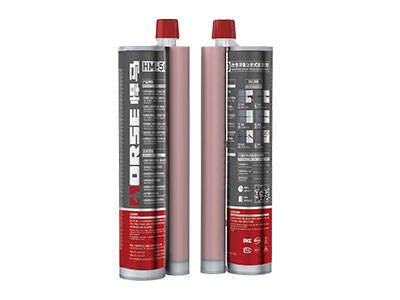
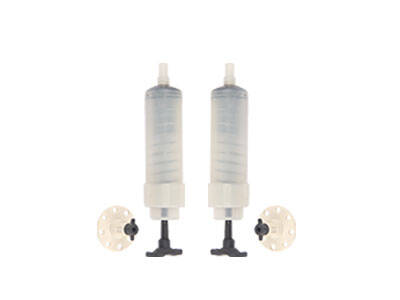
two-components modified epoxy resin adhesive, with high quality plastic tube, double cartridge package

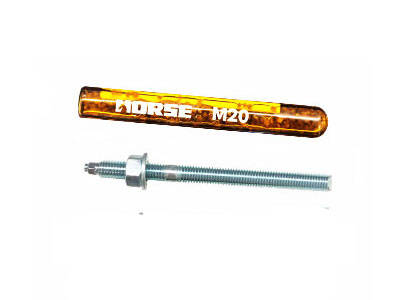
High-strength anchor bolt with vinyl resin as main materials, composed of selected quartz sands, curing agents and glass tubes

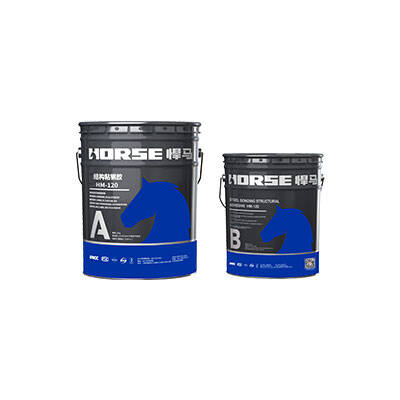
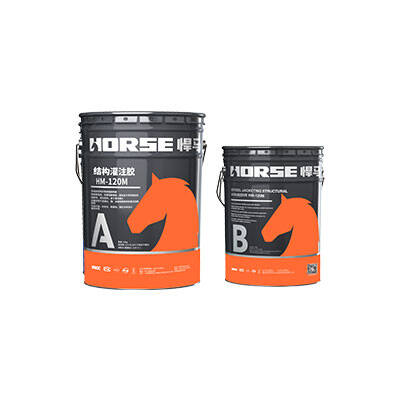
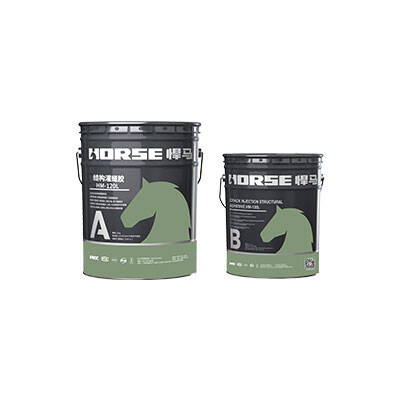
Two-component modified epoxy resin adhesive, applied to chemical planting reinforcing bar and anchor bolt anchoring
