Language: English












Retrofitting Concrete Walls
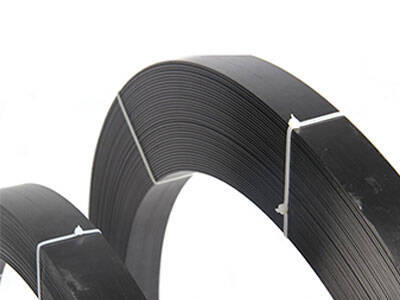
CFRP Plate
The BTCL (Bangladesh Telecommunications Company Limited) Headquarters required structural upgrading after years of service. A comprehensive structural assessment revealed that certain reinforced concrete walls on the 3rd floor and 4th floor using CFRP plate
| Item | Detail |
|---|---|
| Project | Retrofitting Works of BTCL HQ |
| Client | Bangladesh Telecommunications Company Limited |
| Location | BTCL Headquarters, Bangladesh |
| Scope | 1.4mm CFRP Plate Strengthening — 3rd Floor & 4th Floor |
| Strengthening Zone | Load-Bearing Walls |
| CFRP Layout | V. Strip + H. Strip |

The BTCL (Bangladesh Telecommunications Company Limited) Headquarters required structural upgrading after years of service. A comprehensive structural assessment revealed that certain reinforced concrete walls on the 3rd floor and 4th floor — no longer met current lateral load and flexural capacity requirements under the Bangladesh National Building Code (BNBC). Key issues identified included:
Insufficient shear capacity under seismic and wind lateral loads
Reduced out-of-plane bending resistance due to concrete carbonization and reinforcement corrosion
Crack development in wall panels indicating progressive deterioration
Functional changes in certain zones increasing structural demand beyond original design
To minimize disruption to building operations and avoid the weight penalty of traditional strengthening methods, the engineer specified CFRP (Carbon Fiber Reinforced Polymer) plate bonding — a proven, lightweight solution for concrete wall strengthening.


Why CFRP Plate Bonding for Concrete Walls?
CFRP plate bonding is particularly effective for RC wall strengthening in the following scenarios:
In-plane shear strengthening: Increases shear capacity under lateral (seismic/wind) loads — critical for RC shear walls
Out-of-plane bending resistance: Enhances wall stability under eccentric loading and boundary conditions
Crack control and confinement: Carbon plates bridge existing cracks and confine concrete to prevent progressive failure
Minimal intervention: CFRP plates are thin (~1.2–1.4mm), preserving floor space and architectural finishes
Speed and ease of installation: Significantly faster than traditional concrete jacketing or steel plate bonding
Corrosion resistance: Unlike steel, CFRP does not corrode — ideal for humid environments
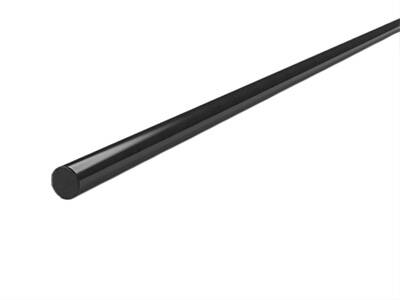
Carbon plate type: Unidirectional (UD) CFRP plate, Class I
Tensile strength: ≥ 2,400 MPa
Elastic modulus: ≥ 160 GPa
Plate thickness: 1.4mm
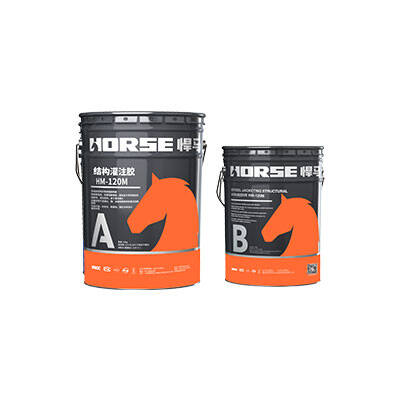
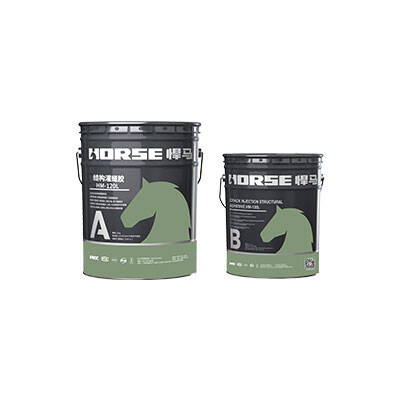
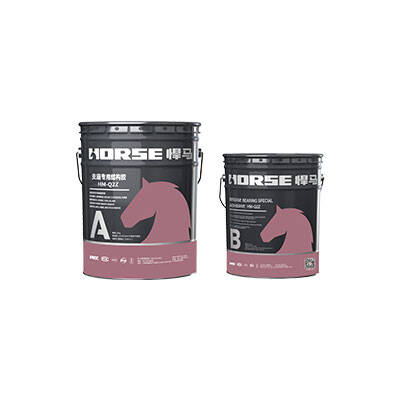
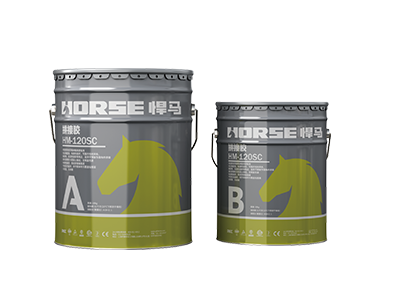
Bonding agent: High-modulus CFRP saturating resin, compatible with concrete substrate
Shear capacity of strengthened RC walls increased by approximately 40%
Out-of-plane bending resistance significantly enhanced, reducing risk of wall failure under lateral loading
Minimal disruption to operations — work confined to designated zones (SW-03, SW-04)
Negligible added weight — CFRP plates add less than 3 kg/m² to the wall surface
Corrosion-resistant system, providing long-term durability in Bangladesh's humid climate